2010
Hogsmeade Opens
Hogsmeade opened at Universal Orlando’s Islands of Adventure, giving visitors a snowy village, Hogwarts Castle, shops, food, and themed rides.
The Wizarding World of Harry Potter transforms books and films into an immersive physical experience. Through architecture, food, rides, shops, sound, and interactive design, Universal makes visitors feel like they are entering the magical world rather than just observing it.
The strongest way to analyze the park is to treat it as a designed experience. Everything visitors see, hear, eat, ride, and buy works together to blur the line between fiction and reality.
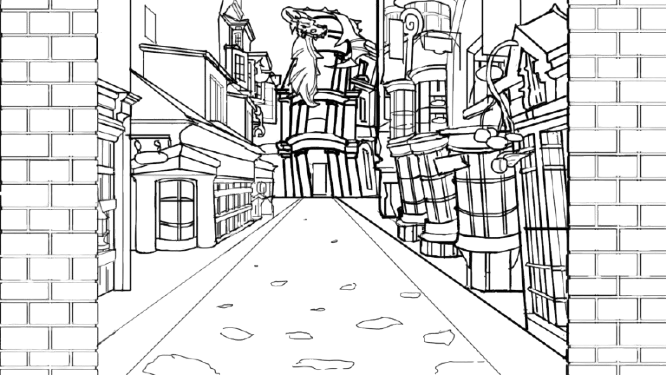
The Wizarding World of Harry Potter is successful because it turns a fictional world into a place that visitors can physically move through. Instead of only reading or watching the story, guests step into streets, shops, restaurants, and rides that feel connected to the original books and films.
However, this participation is also tied to consumerism. Guests enter the fantasy through things they buy, eat, ride, collect, and photograph.
The park blurs the line between reading, watching, and participating.
Universal Orlando expanded the Harry Potter story into physical lands that guests can visit, connecting major locations from the series into one larger experience.
Hogsmeade opened at Universal Orlando’s Islands of Adventure, giving visitors a snowy village, Hogwarts Castle, shops, food, and themed rides.
Diagon Alley opened at Universal Studios Florida, expanding the world with narrow streets, Gringotts Bank, magical storefronts, and hidden details.
The Hogwarts Express connects the two lands, making travel between areas feel like part of the story instead of just transportation.
Immersion depends on consistency. The park hides modern distractions and replaces them with textures, sounds, signs, costumes, and pathways that make guests feel surrounded by the story.
Hogwarts Castle, crooked buildings, narrow streets, and stone textures make the environment look like it belongs to the magical world.
Signs, storefronts, and pathways are designed to reduce reminders of the outside world, keeping visitors inside the illusion.
Employees act as part of the setting through costumes, language, and character-like interactions with guests.
Music, background noise, and crowd movement make the lands feel alive rather than like simple replicas.

The rides work like chapters in the experience. They do not simply reference the Harry Potter universe; they place guests inside a moving narrative.
This ride uses motion, screens, sets, and recognizable characters to make guests feel like they are traveling through Hogwarts and participating in magical events.
The attraction turns a bank into a story space, mixing a queue, physical sets, and coaster movement to create tension and adventure.
The train connects locations while also acting as a narrative bridge, making transportation feel like a scene from the series.
The park gives fans a way to feel involved in the magical world, but that involvement is closely connected to merchandise, food, and collectible experiences.
Buying a wand makes visitors feel like students or witches and wizards, especially when interactive windows respond to their movements.
Butterbeer and themed meals make the fictional world taste real, turning eating into part of the storytelling.
Robes, house items, souvenirs, and collectibles let fans display identity, but they also show how fantasy becomes a market.
The Wizarding World matters because it extends Harry Potter into a physical place. It gives fans a shared destination, a social experience, and a way to perform their connection to the series.
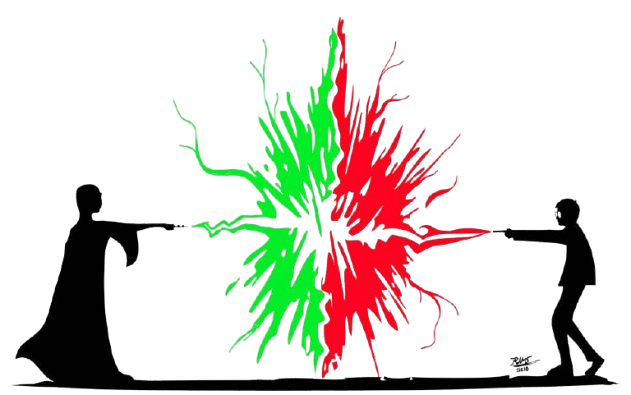
The park turns private reading and movie-watching into a public experience. Fans gather in the same space, dress up, take photos, buy themed items, and participate in the world together.
The park is not just a copy of the books or movies. It is a new form of storytelling that depends on space, movement, and interaction.
Visitors often connect the park to memories of reading the books or watching the films, making the experience emotional as well as entertaining.
The Wizarding World of Harry Potter succeeds because it makes visitors feel like they are not just fans of a story, but temporary characters inside it. The design of the park turns architecture, rides, food, shops, sound, and merchandise into parts of one immersive experience.
At the same time, the park shows that modern fandom is closely connected to consumer culture. Guests participate in the fantasy through what they ride, eat, buy, wear, and collect.
Return to the Beginning ✦